

TAKING ACTION
IS AN
ACT OF CARING
Taking action when someone shows signs they are at risk of harming themselves or others with a firearm can save a life.
A Gun Violence Restraining Order (GVRO) can provide time and space to get through the crisis and prevent a tragedy.

GVROs: Creating Time and Space During a Crisis
When warning signs are present, family members, household members, law enforcement, colleagues, or educators can petition the court for a temporary order to limit someone’s access to firearms.
GVROs are civil orders—not criminal charges. Their purpose is to reduce immediate risk while allowing time for support, intervention, and stability.
Taking action early can help protect loved ones, strengthen families, and prevent irreversible harm.
Learn About More Ways to Help Prevent a Firearm Tragedy
Action can take different forms depending on the situation.
Explore more options that can help prevent harm,
especially when someone you know is struggling.
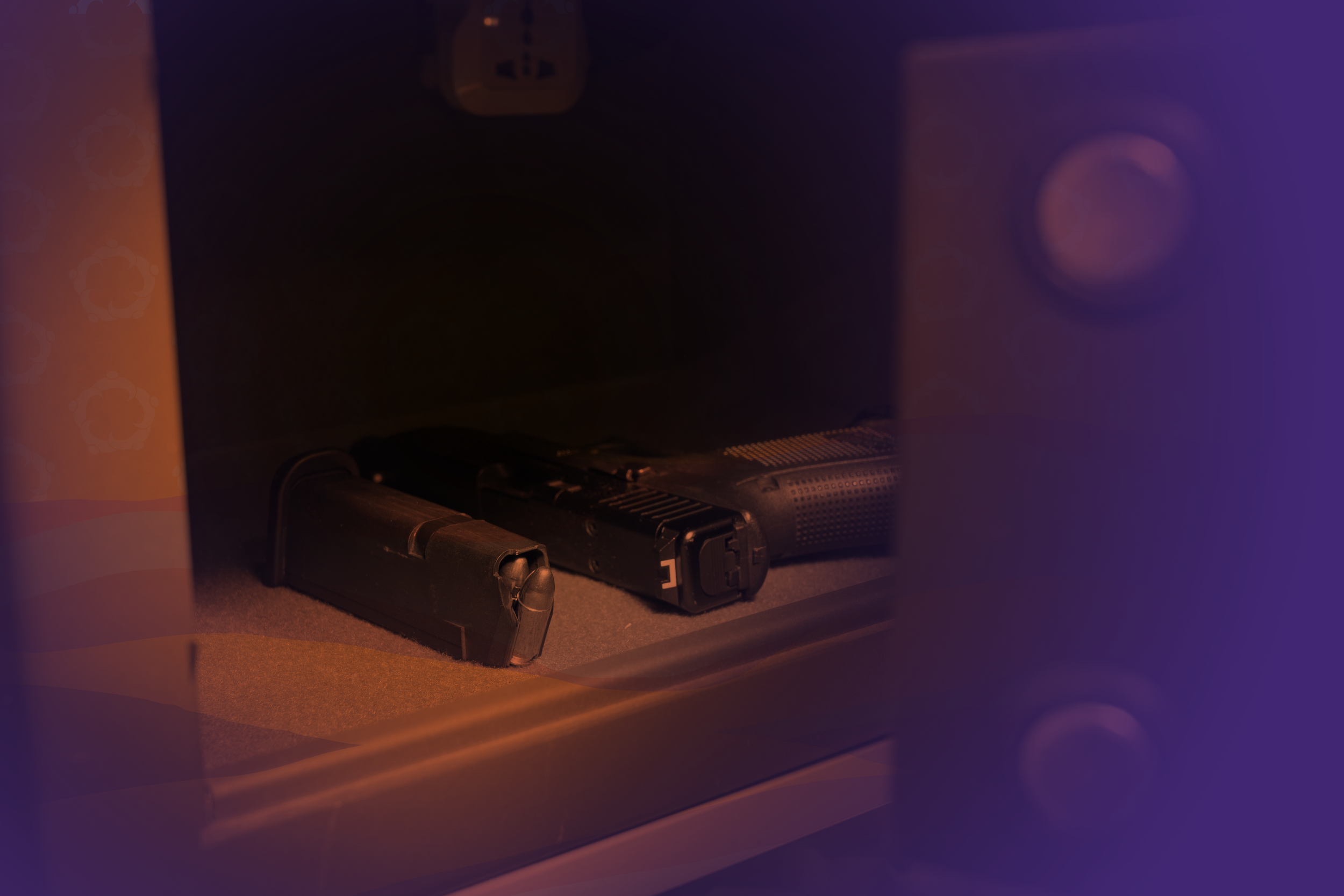
Secure Everyday Risks
Storing firearms locked, unloaded,
and separate from ammunition
lowers the risk of harm.
It’s one way responsible gun owners help protect their families and communities.
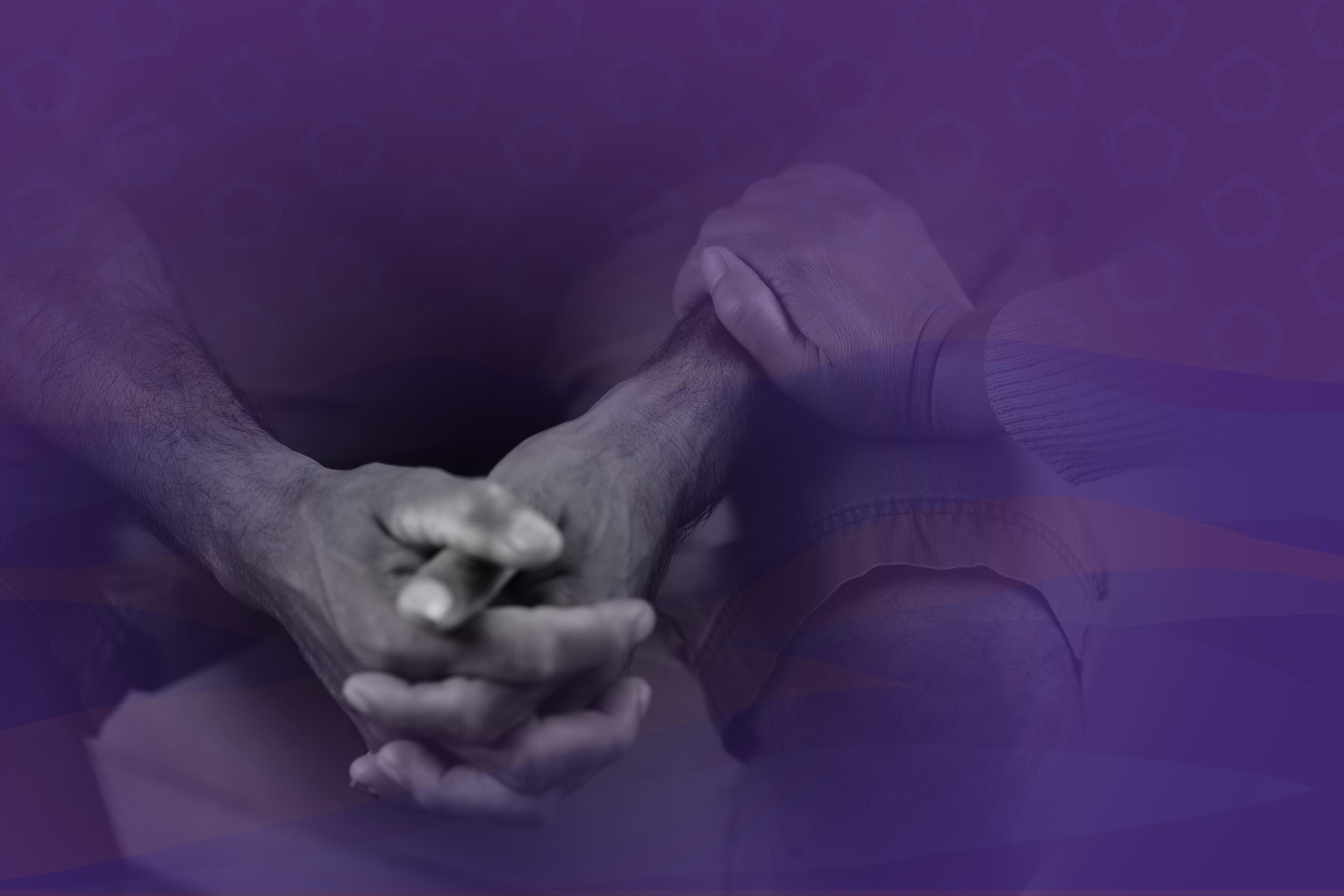
Support Those Struggling
When someone in your household is struggling, take time to reassess home storage of your firearms. Creating distance from firearms can give someone struggling time and space to get support and recover.
Temporary off-site storage sites and support are available.
This project was supported by Grant No. 15PBJA-24-GG-02888-BSCI awarded by the Bureau of Justice Assistance. The Bureau of Justice Assistance is a component of the Department of Justice's Office of Justice Programs, which also includes the Bureau of Justice Statistics, the National Institute of Justice, the Office of Juvenile Justice and Delinquency Prevention, the Office for Victims of Crime, and the SMART Office. Points of view or opinions in this document are those of the author and do not necessarily represent the official position or policies of the U.S. Department of Justice.